How to Use 5kg Coco Peat Blocks: Hydration, Ratios & Storage
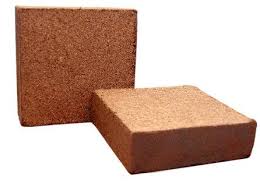
A compressed coco peat block looks nothing like the fluffy growing medium you’ll actually use — and that surprises a lot of first-time buyers. Getting from a hard 5kg brick to a healthy root zone is simple once you know the steps. This guide covers how to use coco peat blocks: hydration, expansion ratios, mixing and storage, so your team gets consistent results every time.
How Much Does a Block Expand?
Coco peat is compressed roughly 5:1 for shipping, but it’s the water that does the real work. A standard 5kg washed block expands to about 75–80 litres of usable substrate — around 15 times its shipped volume. Planning your hydration space and water volume around that ratio is the first step.
| Block | Water needed | Approx. yield |
|---|---|---|
| 5kg washed low-EC block | ~20–25 litres | 75–80 litres |
| 650g mini brick | ~2.5–3 litres | 8–9 litres |
Use warm water to speed expansion; cold water works but takes longer.
Step-by-Step Hydration
- Place the block in a large tub, wheelbarrow or mixing bin with room to expand (it grows a lot).
- Add warm water gradually — roughly 4–5 litres of water per kg of block.
- Wait 15–30 minutes. The block will swell and start breaking apart.
- Fluff it with a fork or by hand, breaking up any remaining dense lumps.
- Check the texture: it should be moist and crumbly, holding together lightly when squeezed but not dripping.
Don’t overwater. If it’s soggy, add more dry coir or let it drain. Coir holds a lot of water, and a waterlogged mix starves roots of oxygen — one of the few ways to get coir wrong.
Do You Need to Buffer or Rinse First?
It depends on the grade you bought:
- Buffered coir — ready to use. It’s already calcium-treated, so plant straight away.
- Washed low-EC coir — ready for most uses; for very sensitive hydroponic crops you may still buffer with a calcium-magnesium solution.
- Unwashed / high-EC coir — rinse thoroughly (and ideally buffer) before use with salt-sensitive plants; fine as-is for bedding or salt-tolerant field crops.
Not sure which grade you have or need? Our guide to EC grades explains the difference.
Using It: Straight or Blended
As a standalone medium
For hydroponics and container growing, hydrated coir can be used on its own or with added perlite (commonly 70% coir / 30% perlite) for extra drainage. Feed with a complete nutrient solution, including calcium and magnesium.
As a soil amendment
For garden beds and potting mixes, blend coir in at 10–40% to improve water retention and structure. It lightens heavy soils and helps sandy soils hold moisture.
Storing Blocks and Hydrated Coir
- Dry blocks: keep in a dry, covered area off the ground. They store for a long time and are easy to stack — a big advantage over bulky media.
- Hydrated coir: use promptly; if storing, keep it covered and moist. Avoid letting it fully dry and re-wet repeatedly.
Common Mistakes to Avoid
- Hydrating in too small a container (it overflows — it really does expand 15x).
- Overwatering the final mix and suffocating roots.
- Using unwashed high-EC coir on sensitive crops without rinsing/buffering.
- Skipping calcium/magnesium in the feed — coir can bind these if not buffered.
Need volume pricing? Request a quote and tell us your grade and quantity.
Ready to source export-grade coco peat?
Get lab-tested specifications, container pricing (FOB/CIF) and a free sample block shipped to your facility.
Frequently Asked Questions
How much water does a 5kg coco peat block need?+
About 20–25 litres of water per 5kg block, added gradually. Warm water speeds expansion. The block yields roughly 75–80 litres of usable substrate.
How long does a coco peat block take to expand?+
Usually 15–30 minutes. Place it in a large container with room to grow, add water, wait, then fluff it apart with a fork or by hand.
Do I need to buffer coco peat before use?+
Buffered coir is ready to use. Washed low-EC coir is fine for most uses. Unwashed high-EC coir should be rinsed and ideally buffered before use with salt-sensitive plants.